
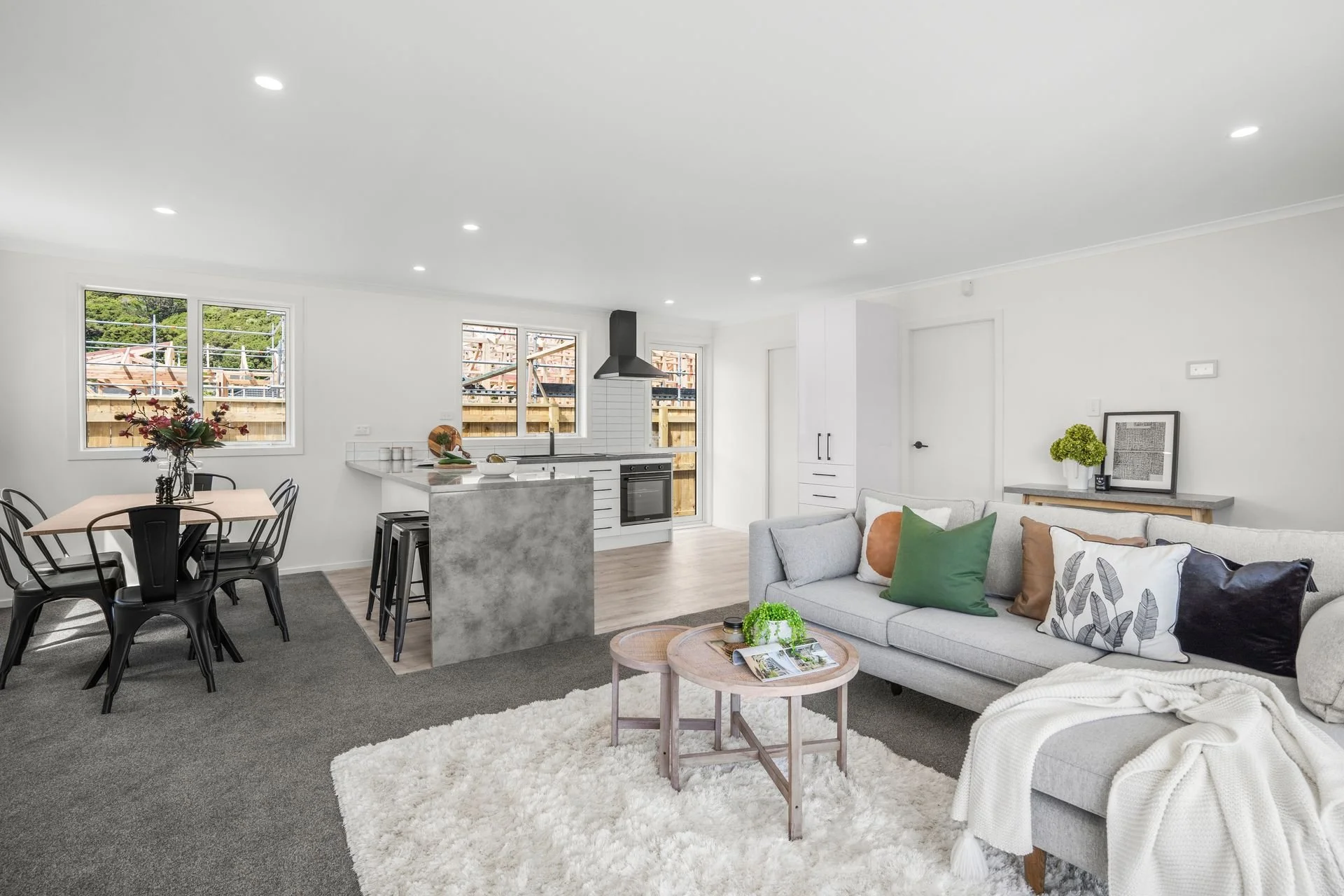
Top 5 Ways to Maximise Your Sale Price
The improvements buyers notice first—and the costly mistakes many sellers never see coming.
Before you spend a dollar...
Most sellers spend money in the wrong places before going to market.
Not because they're careless—but because no one has shown them what actually influences buyer confidence and sale price.
We regularly see homeowners:
Spending thousands on improvements buyers barely notice.
Leaving genuine buyer concerns unresolved until negotiations.
Completing work too late, after buyers have already formed their opinion.
Preparing a property for sale isn't about doing everything.
It's about making the right improvements, at the right time, to achieve the best possible result.
Here are the five areas we recommend every homeowner considers before going to market.
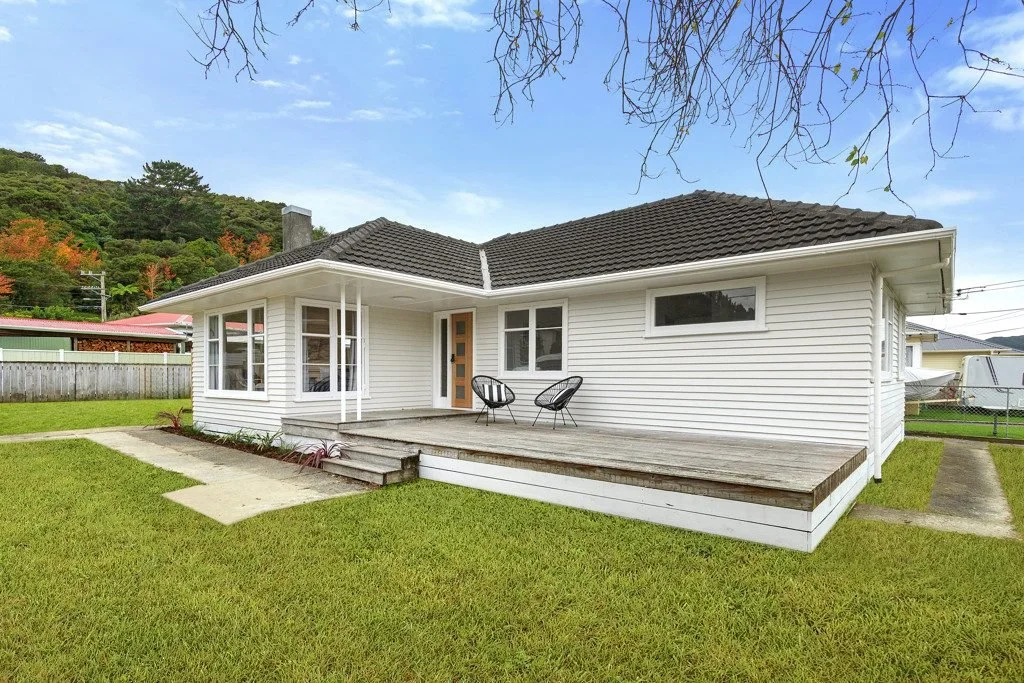
Tip 1 - Don't renovate until you know what's worth doing.
Many sellers believe the more they spend before listing, the more they'll achieve when they sell.
In reality, buyers don't reward every improvement equally.
We've seen homeowners spend tens of thousands of dollars on renovations that added very little value, while simple maintenance and presentation issues ended up costing far more during negotiations.
Before you spend a dollar, understand which improvements buyers will notice, which issues they'll expect to negotiate on, and which jobs simply aren't worth doing.
The goal isn't to do more.
It's to do the right work, in the right order, for your property and your price bracket.
Before you spend a dollar, ask yourself:
✓ Will buyers actually notice this?
✓ Will it improve first impressions?
✓ Is there a simpler job with a better return?
✓ Am I solving a problem buyers genuinely care about?
PREPPED INSIGHT
The highest return rarely comes from spending the most money. It comes from spending it in the right places.
Tip 2 - Fix the issues buyers will negotiate on.
Many sellers focus on cosmetic improvements while leaving obvious maintenance issues unresolved.
The problem is buyers rarely overlook them.
Instead, they use them as reasons to negotiate a lower price or question how well the home has been maintained.
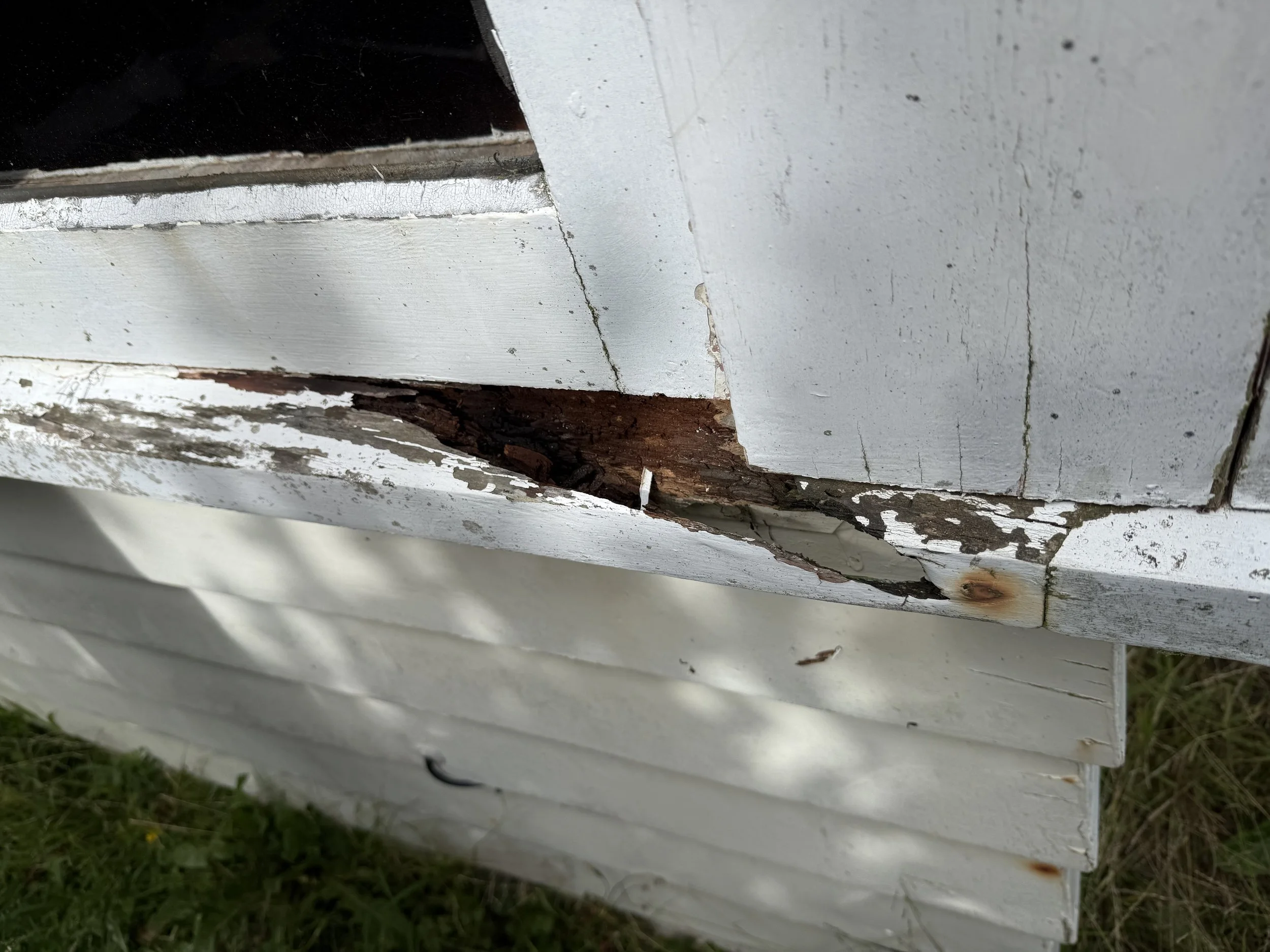
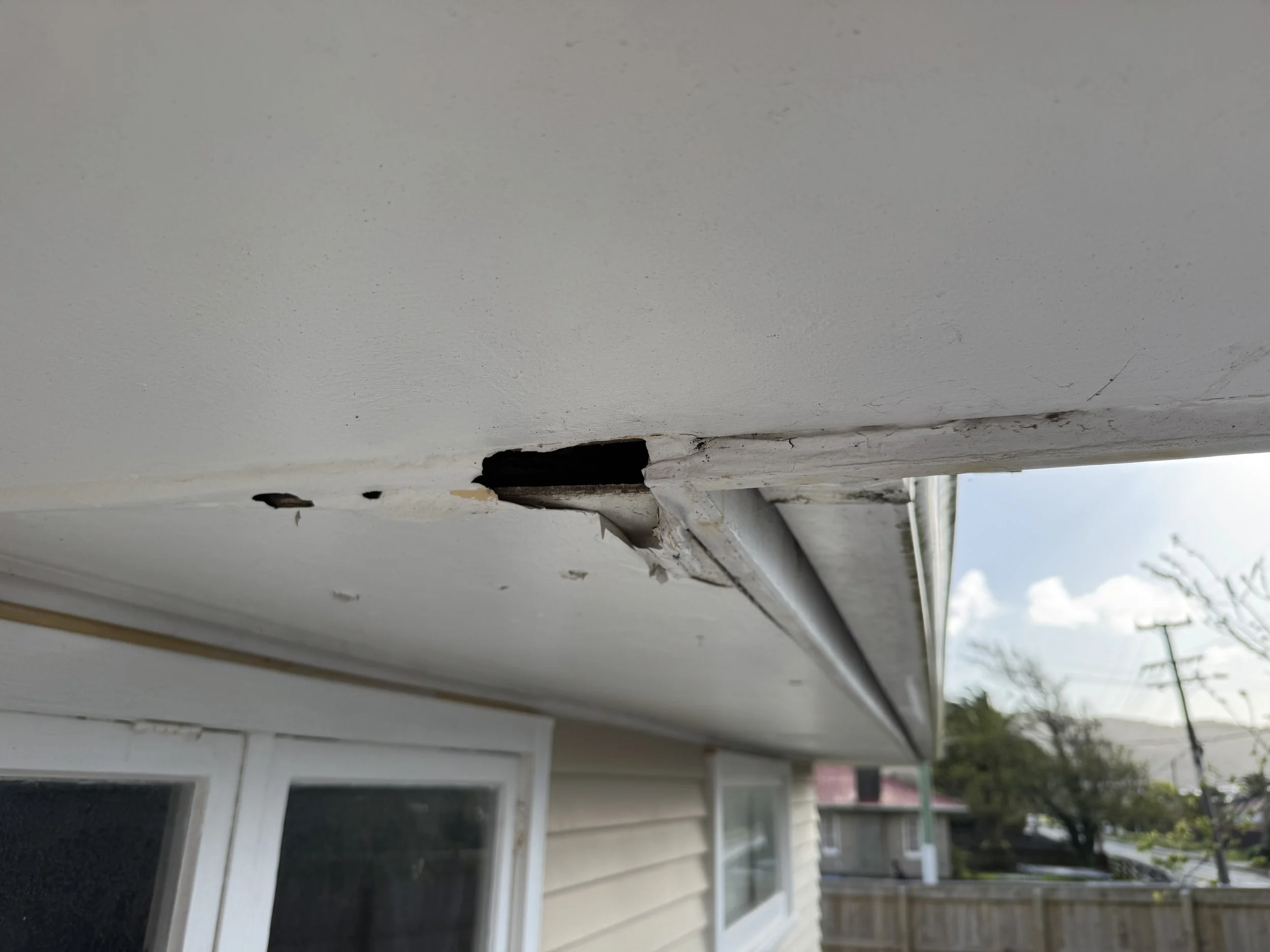
Small issues such as timber rot, leaking gutters, damaged weatherboards, deteriorated sealants or moisture concerns often create far more discussion than their repair cost.
These are the same types of issues that commonly appear in building reports. Identifying and addressing them before you list gives you the opportunity to decide what should—and shouldn't—be repaired, rather than letting buyers use them to negotiate your sale price.
Addressing these problems before your home goes to market helps buyers focus on the home—not the defects.
Before you list, ask yourself:
✓ Would this appear in a building report?
✓ Would it make a buyer question the property's condition?
✓ Could a relatively inexpensive repair avoid a much larger price negotiation?
✓ Am I giving buyers fewer reasons to reduce their offer?
PREPPED INSIGHT
Buyers don't negotiate because a house is perfect. They negotiate because they can see problems. Removing obvious maintenance issues often delivers a better return than expensive cosmetic upgrades.
Tip 3 - First impressions shape every offer.
Buyers begin judging your property before they've even walked through the front door.
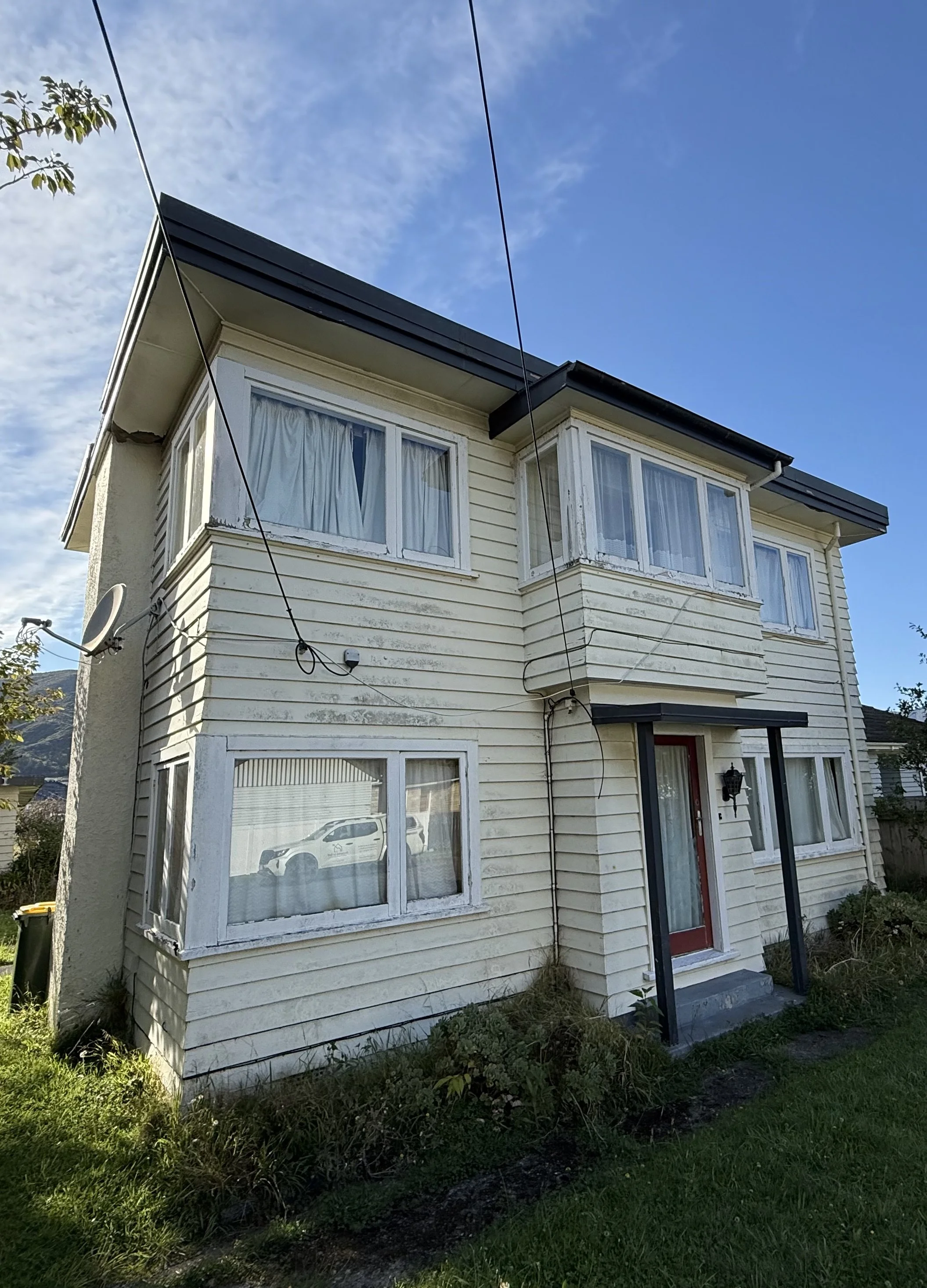
Long before they notice the kitchen or bathroom, they've already formed an opinion from the street.
A tired exterior, dirty cladding, overgrown gardens or peeling paint quietly tells buyers there's likely more maintenance waiting inside. Whether that's true or not, it influences how they view your property—and how much they're prepared to pay.
The good news is that creating a strong first impression usually doesn't require a major renovation. Cleaning, repairing and presenting your home well often delivers one of the best returns before going to market.
Before you list, ask yourself:
✓ Would I be excited to inspect this home?
✓ Does the exterior look clean and well cared for?
✓ Is the entrance inviting?
✓ What impression does my home create in the first 30 seconds?
PREPPED INSIGHT
Buyers don't just purchase a house.
They purchase the feeling they get the moment they arrive.
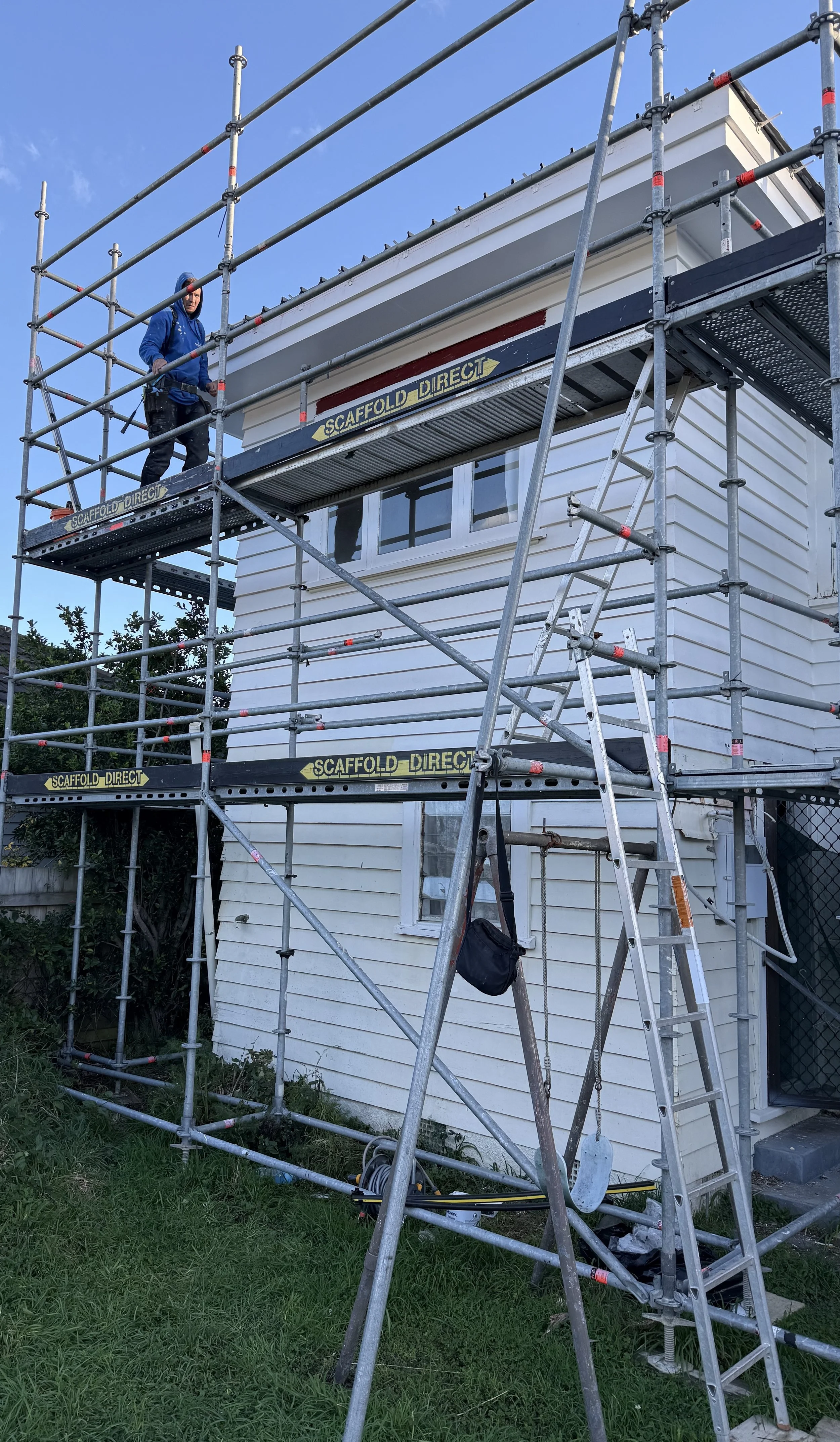
Tip 4 - Give yourself enough time to prepare properly
Many sellers underestimate how long good preparation takes.
Waiting until your home is about to go on the market often leads to rushed decisions, limited contractor availability and unfinished jobs.
Starting early gives you time to prioritise the right improvements, coordinate trades properly and have everything completed before photography and open homes.
The earlier you prepare, the more control you have—and the less stressful the selling process becomes.
Before you list, ask yourself:
✓ Have I allowed enough time to prepare properly?
✓ Will everything be finished before photography?
✓ Do I know exactly what should be done first?
✓ Am I preparing my home... or rushing to catch up?
PREPPED INSIGHT
Preparation gives you control.
Rushing gives buyers leverage.
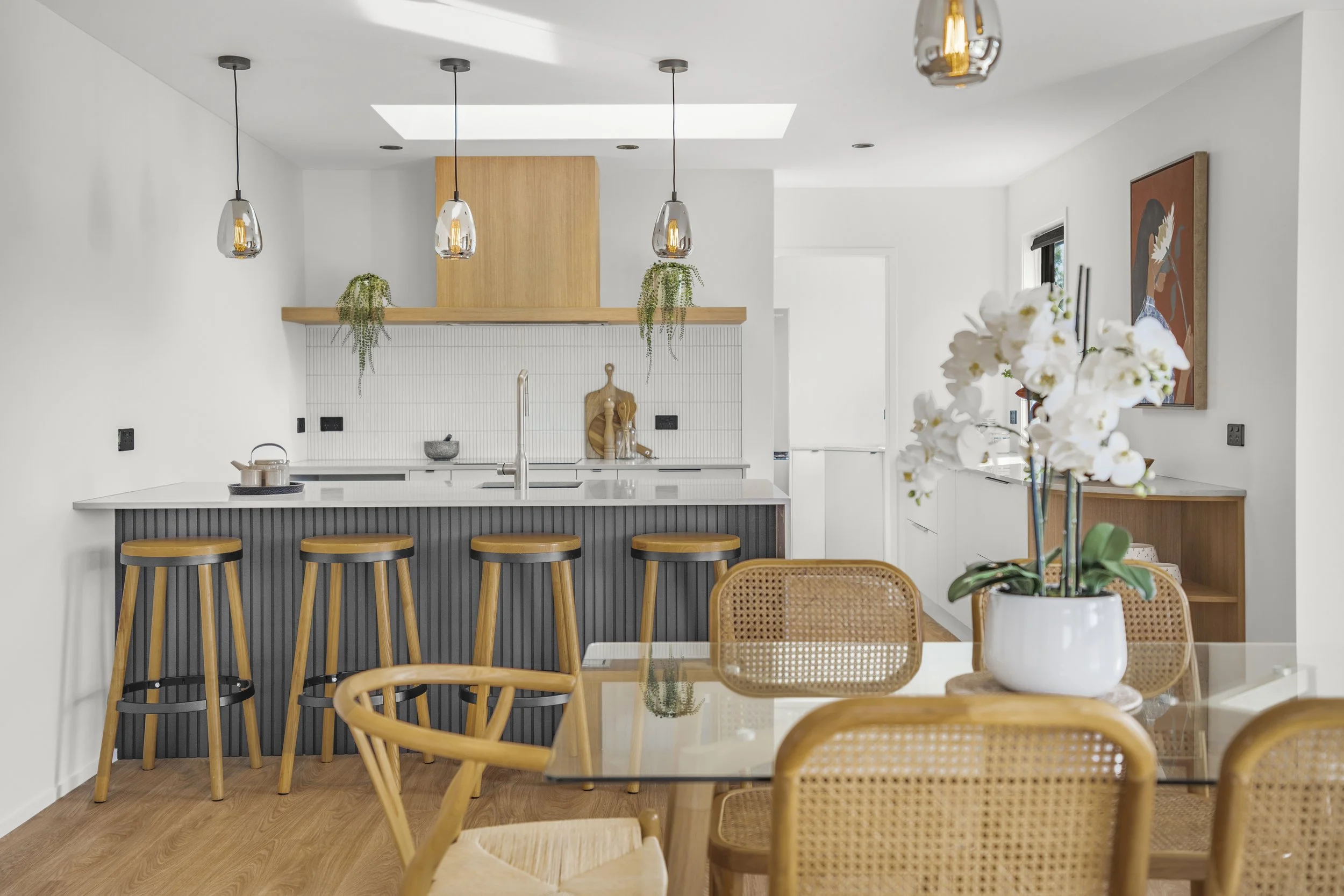
Tip 5 - Don't guess. Have a plan.
The best results don't come from spending more. They come from making better decisions.
By now, you've seen that preparing a home for sale isn't about carrying out every possible improvement.
It's about understanding what buyers will notice, repairing the issues that matter, presenting your home at its absolute best, and making smart decisions before you spend money.
A home that is well maintained, thoughtfully presented, clean, decluttered and properly prepared will almost always create a stronger first impression—and that's what encourages buyers to compete.
The goal isn't to do everything. It's to create a home buyers can picture themselves living in.
Before you list, ask yourself:
✓ Have I prioritised the improvements that matter most?
✓ Is my home clean, decluttered and presented at its best?
✓ Have I completed the maintenance and presentation that will create the best first impression?
✓ Am I spending more than I'm likely to get back?
PREPPED INSIGHT
The most successful sellers don't try to create the perfect home.
They understand which improvements buyers will value—and avoid paying for the ones they won't.
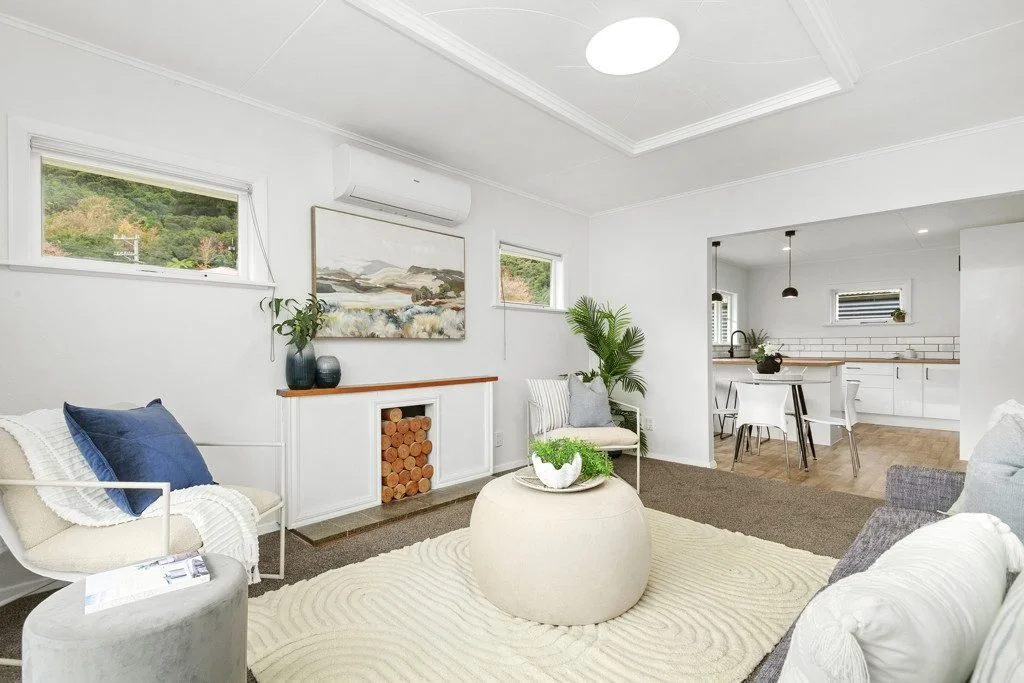
Ready for Market
Present a home buyers feel confident making an offer on.
Property Assessment
Understanding your property's strengths and weaknesses is always the first step.
Preparing your home for sale isn't about spending the most money.
It's understanding what buyers will notice, what they'll value and where your investment is most likely to deliver a return.
The five tips you've just read are the same principles we use every day to help homeowners prepare their properties for sale with confidence.
Every dollar you spend should have a purpose.
Whether you're planning to sell in a few weeks or simply thinking ahead, taking the time to prepare properly can make a significant difference to buyer confidence, negotiation strength and your final sale price.
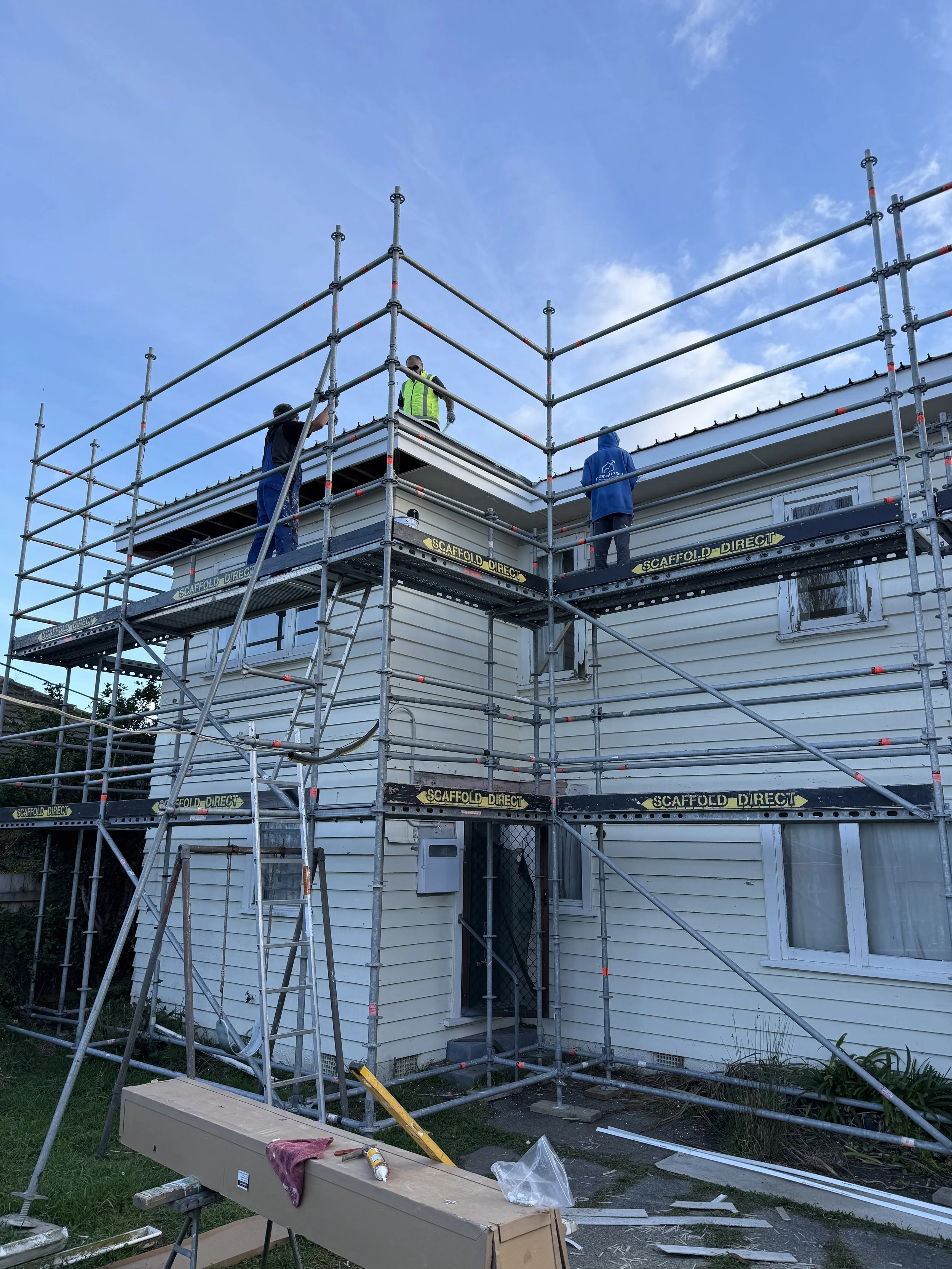
Professional Preparation
Only complete the work that's genuinely likely to improve your sale outcome.

Ready to understand your property's potential?
Whether you're preparing to sell next month or simply want to understand where your money is best invested, we'd be happy to help.
📞 027 564 7777
✉ office@preppedtosell.co.nz
🌐 preppedtosell.co.nz
Independent advice. Professional delivery. Better selling decisions.